


Quick Summary
The best organic pet supplies for sensitive skin are unscented wipes, reusable wipe systems, and a gentle bath kit, chosen for clear ingredient lists and stated directions. Natural or organic labels do not guarantee gentleness, so patch test any new product before regular use.
- Choose products whose full ingredient list is clearly stated in the listing.
- Unscented options are usually safer for pets with reactive or fragrance-sensitive skin.
- Use wipes between baths and save shampoo for when the coat is truly dirty.
- Patch test on a small area and wait 24 hours before regular use.
- See a veterinarian if scratching persists, hair loss appears, or the skin shows infection signs.
Table of Contents
- How We Chose These Organic Pet Supplies for Sensitive Skin
- Quick Comparison of the Top Picks and Their Starting Prices
- Organic Dog Shampoo for Sensitive Skin: What to Look For
- Natural Ingredients Safe for Dog Skin, and the Limits of Natural Claims
- Organic Pet Conditioner and Gentle Coat Care
- Dog Food for Skin Allergies: Where Supplies Fit In
- Patch Testing New Products and When to Call Your Veterinarian
- Choosing Your First Organic Grooming Kit at ShopEasyPets
- Frequently Asked Questions
How We Chose These Organic Pet Supplies for Sensitive Skin
Last Updated: October 30, 2026
Sensitive skin is one of the most common reasons pet owners start looking for organic pet supplies. This guide is built around the products in our own catalog, judged against the questions a careful buyer should ask before putting anything on an animal's skin.
We looked at each item's listing for what it actually says it contains and what it is designed to do. Some listings give a full ingredient list, while others share only a general description. We favored products that state their ingredients plainly and say how to use them.
Organic and natural labels are not a guarantee of gentleness. A product can be natural and still irritate a sensitive animal.
Our selection criteria:
- Clear ingredient information in the listing
- A stated use, such as cleansing paws, face folds, or a bath
- Packaging and pricing that are easy to compare
- Directions that explain how to apply the product safely
The grooming wipes, shampoo-related kits, and cleansing solutions below cover the most common daily needs. We have kept the focus on everyday cleaning rather than treating skin conditions, which belongs with a veterinarian.
Quick Comparison of the Top Picks and Their Starting Prices
Here is a summary of the products covered in this guide, with starting prices from their listings.
| Product | Type | Starting Price | Best For |
|---|---|---|---|
| Extra Large Pet Wipes for Dogs & Cats (60ct) | Topical wipes | $33.99 | Face folds, paws, travel |
| Greenbone Gentle Pet Wipes Unscented (150 wipes) | Unscented wipes | $54.94 | Sensitive pets, large supply |
| Sleepy Petcare Natural Pet Care Wet Wipes (60 count) | Natural wet wipes | $11.90 | Quick cleanups on walks |
| M-Pets Onyx Unscented Cleaning Wipes (80 count) | Unscented wipes | $13.21 | Fragrance-sensitive pets |
| 4-ALL PETS Reusable Wipes Solution | Refill solution | $20.95 | Reusable wipe system |
| 4-ALL PETS Reusable Pet Wipes Set | Wipes and solution | $27.95 | Starting a reusable system |
| Bath Kit for Dogs Grooming Set | Bath kit | $34.99 | Bath time routine |
| Soft Coral Velvet Hairless Cat Clothes Vest | Apparel | $34.99 | Hairless cats needing warmth |
Prices are the starting prices shown on each listing and may change.
Organic Dog Shampoo for Sensitive Skin: What to Look For
Frequent full washes can strip natural oils, so many owners use wipes between baths and save shampoo for when the coat is truly dirty.
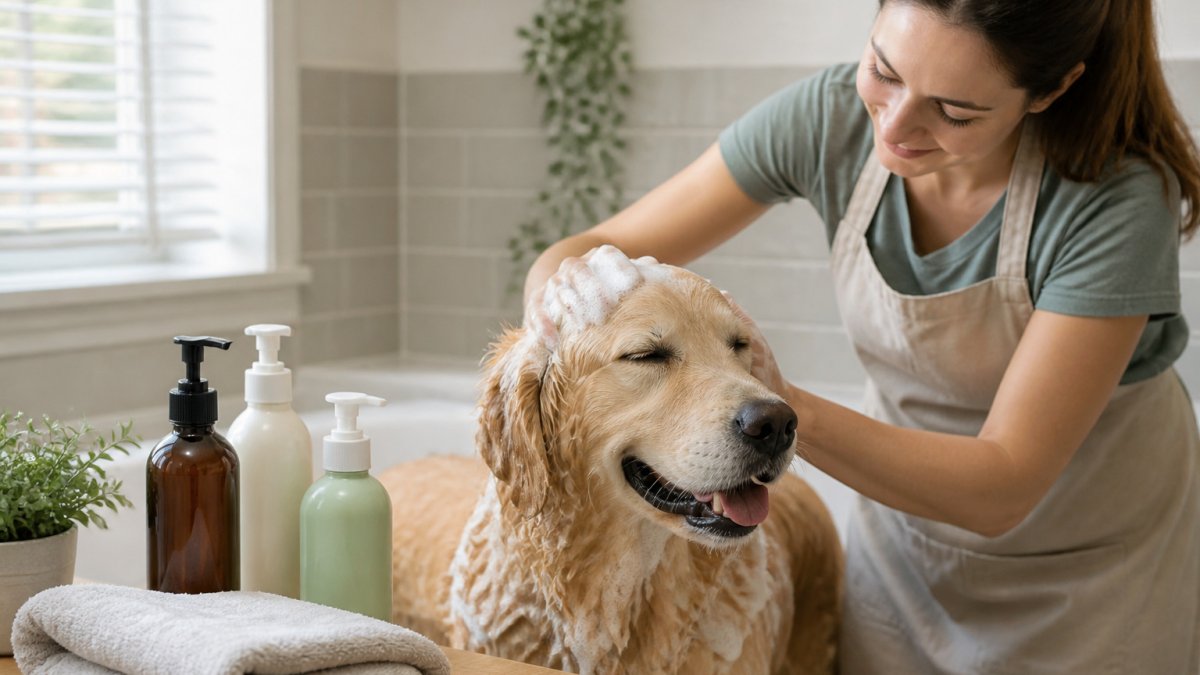
When you do bathe, look for a shampoo whose ingredient list you can read in full. A listing that hides its formula behind "proprietary" language makes it harder to rule out an irritant. Also check whether the product is meant for dogs, since human products can be too harsh.
Watch out: rinsing thoroughly matters as much as the product itself. Shampoo left on the skin is a common cause of itching.
The Bath Kit for Dogs includes a soft silicone brush, a recycled-polyester towel, and a pet-safe silicone lick mat.
Natural Ingredients Safe for Dog Skin, and the Limits of Natural Claims
"Natural" is a marketing word, not a regulated promise. The same is true of "organic" in most pet grooming contexts: unless a product carries a specific certification, the term describes a sourcing philosophy rather than a verified standard. The useful question is not whether a product is natural or organic, but whether its listing names what is in it and whether those ingredients are known to soothe or irritate sensitive skin.
Ingredients that commonly soothe sensitive skin
When a label names these ingredients, they are generally considered gentle and are often chosen for sensitive-skin formulas:
- Colloidal oatmeal, finely milled oat that suspends in water and is widely used in pet shampoos for its soothing, anti-itch reputation.
- Aloe vera, a gel that holds moisture and is frequently included in wipes and leave-on sprays.
- Jojoba oil, a wax ester that mimics the skin's own oils and is used as a light moisturizer.
- Coconut-derived cleansers, coconut oil soap and similar surfactants clean without the harshness of some synthetic detergents.
- Glycerin, a humectant that draws water to the skin and is common in gentle wipes.
- Honey, a humectant and traditional soothing ingredient in some pet care solutions.
- Vitamin E, an antioxidant often added to support skin condition.
The 4-ALL PETS refill solution, for example, lists organic cotton, coconut oil soap, jojoba oil, aloe vera oil, and honey among its components. Sleepy Petcare names pure water, bamboo, and glycerin.
Ingredients that may irritate sensitive skin
A product can be natural and still trigger a reaction. Watch for these on labels, especially if your pet has reacted before:
- Essential oils (tea tree, eucalyptus, peppermint, citrus), natural, but concentrated plant compounds that can irritate skin and are toxic to some pets if ingested.
- Fragrance and perfume, even "natural fragrance" can be a blend of many compounds; unscented is usually safer for reactive skin.
- Alcohol (ethanol, isopropyl), can sting and dry out already-compromised skin.
- Sodium lauryl sulfate (SLS), a common foaming agent that can strip oils and irritate sensitive skin.
- Preservatives such as parabens or methylisothiazolinone, some pets react to these; look for gentler preservative systems when listed.
- Botanical extracts with known sensitizers (some citrus, chamomile in rare cases), natural does not mean hypoallergenic.
How to read a label like a careful buyer
- Find the full ingredient list, not just the front-of-pack claims. If the listing hides the formula behind "proprietary" language, ask the seller for the full list before buying.
- Check the order, ingredients are listed by weight, so the first few names tell you what the product mostly is.
- Match against known sensitivities, if your dog has reacted to fragrance or essential oils before, rule those out first.
- Distinguish certified from claimed, a USDA Organic seal on a pet product refers to agricultural ingredients and does not automatically mean the finished product is hypoallergenic. Treat "organic" as one signal among several, not a safety guarantee.
- Look for a stated use and directions, a product that says how to apply it and how often is easier to use safely.
Some brands keep parts of their formula proprietary. That does not make a product unsafe, but it does mean you may need to ask the seller for a full ingredient list before buying, especially if your dog has known allergies.
Extra Large Pet Wipes for Dogs & Cats – Hypoallergenic, Deodorizing Grooming →
Organic Pet Conditioner and Gentle Coat Care
Conditioning helps keep a coat soft and manageable, which matters for dogs whose skin tends to feel dry. Use conditioner sparingly and rinse fully. Leftover product can attract dirt and cause more itching.
Our wipes are a practical way to maintain coat care between baths. The Extra Large Pet Wipes are sized at 5 by 6 inches.
Dog Food for Skin Allergies: Where Supplies Fit In
Skin allergies in dogs often have causes that food, environment, and parasites can all influence. Grooming supplies cannot fix an underlying allergy, and a veterinarian should guide any dietary change.
Supplies fit in as part of a broader routine.
If your pet has a known food sensitivity, the most useful step is a conversation with your vet about an elimination diet. Keep a note of what your dog eats and when symptoms appear.
Patch Testing New Products and When to Call Your Veterinarian
Introducing any new product to a sensitive pet should be gradual. A patch test is the simplest way to catch a reaction before it spreads, and knowing when to stop and call a veterinarian is just as important as choosing the right product.
How to patch test a new wipe, shampoo, or balm
- Pick a small, easy-to-watch area, the inner leg or a patch on the back works well.
- Apply a small amount of the product as directed, then wait 24 hours.
- Check the skin for redness, swelling, or new scratching at the site.
- If clear, use as directed and keep watching for a few days, since some reactions are delayed.
- If you see irritation, stop using the product and rinse it off with plain water if it was a leave-on product.
Bathing frequency and safe use
Frequent full baths can strip natural oils, so many owners use wipes between baths and save shampoo for when the coat is truly dirty. When you do bathe:
- Rinse thoroughly, shampoo left on the skin is a common cause of itching.
- Use conditioner sparingly and rinse fully; leftover product can attract dirt and cause more itching.
- Keep water out of the ears and dry folds and paws completely afterward.
- Follow the product's directions on how often to use it rather than guessing.
When skin symptoms need veterinary care
Wipes and shampoos are not treatments for infection or allergy. Call your veterinarian if you see:
- Persistent scratching that does not settle within a few days
- Hair loss, open sores, or thickened, darkened skin
- Swelling, hives, or a reaction that spreads beyond the test area
- Signs of infection such as redness, warmth, pus, or odor
- A skin change that does not improve within a few days of stopping the product
A veterinarian can assess whether an allergy, parasite, or infection is involved and guide any dietary change. If your pet has a known food sensitivity, the most useful step is a conversation with your vet about an elimination diet, keeping a note of what your dog eats and when symptoms appear.
The Extra Large Pet Wipes for Dogs & Cats with aloe and vitamin E is one option to review.

Choosing Your First Organic Grooming Kit at ShopEasyPets
If you are starting out, a complete kit saves you from buying each tool separately. Our Bath Kit for Dogs includes a silicone brush, a recycled-polyester towel, and a pet-safe silicone lick mat, all in one set priced at $34.99.
For a fuller grooming setup, the Country Living All In One 3 Piece Dog Grooming Kit covers basic grooming needs. Compare what each kit includes against the tasks you do most often, such as brushing, bathing, or trimming.
Start with the tools you will use weekly, check ingredient and material details on each listing, and patch test any new product before relying on it.
Frequently Asked Questions
What are the best organic pet supplies for sensitive skin?
Options in this roundup include wipes, a reusable wipe system, and a bath kit. Look for clear ingredient lists and clear labeling. Start with one product at a time so you can tell which one, if any, causes a reaction. Read the full listing and ingredient details before buying.
Can I use organic dog shampoo on a cat?
Not without checking first. Cats and dogs have different skin chemistry, and some ingredients that are gentle on dogs can irritate cats. Confirm the species on the product label. If you are unsure, ask your veterinarian before using any shampoo on a cat, and avoid applying products near the eyes or on broken skin.
How do I patch test a new pet product?
Apply a small amount to a discreet area, such as the inner thigh or a patch of skin behind the ear, and wait 24 hours. If you see redness, swelling, hives, or increased scratching, stop using the product and contact your veterinarian. Monitor your pet during the first few uses and keep the packaging so you can check ingredients if a problem develops.
When should I take my pet to a veterinarian for itchy or irritated skin?
See a veterinarian if itching or irritation lasts more than a few days, if you notice open sores, hair loss, a foul smell, discharge, or swelling, or if your pet keeps scratching, licking, or chewing one area. Skin problems can have causes such as allergies, parasites, or infections that topical products will not resolve. Product choice matters less than getting a proper diagnosis when symptoms persist.
