


Last Updated: October 26, 2026
Quick Summary
Pet product returns typically require items to be in resalable condition, unopened and unused, within a 30 to 60 day return window depending on the retailer. Most pet stores accept returns with proof of purchase, though pet food has stricter restrictions due to safety concerns.
- Return windows typically range from 30 to 60 days from purchase or delivery date
- Proof of purchase such as a receipt, order number, or email confirmation is almost always required
- Pet food returns are usually denied if opened due to safety and contamination concerns
- Defective or damaged products often qualify for returns even if packaging has been opened
- A return authorization number (RMA) helps track your return and process refunds faster
Table of Contents
- Understanding Return Eligibility and Qualifying Conditions
- Know Your Return Windows and Deadlines
- Proof of Purchase for Returns: What You Need
- Pet Store Return Policy Basics
- Pet Food Return Policy and Opened Products
- How to Request a Refund for a Pet Product
- Starting Your Return: A Practical Checklist
- Frequently Asked Questions
Understanding Return Eligibility and Qualifying Conditions
Pet product returns eligibility depends on several key factors that vary by retailer. Most pet product returns require the item to be in resalable condition, meaning it hasn't been opened, used, or damaged.
We understand that pet owners need clear guidance on what qualifies for a return. The core requirement across most retailers is that products must meet certain condition standards.
Key eligibility factors include:
- Original condition of the product (unopened, unused packaging)
- Purchase date within the return window
- Proof of purchase documentation
- Product category (some items may have restrictions)
- Reason for return (defect, damage, or simply changed mind)
Pet food and treats present unique challenges. Many retailers restrict returns on opened pet food due to safety and health concerns. If your pet has consumed part of the product, the return may be denied regardless of other factors.
Defective or damaged products often have different rules. If you receive an item that arrived broken or doesn't function as advertised, most retailers will accept returns even if the packaging has been opened.
Some retailers offer exceptions for pets with allergies or sensitivities. If your pet has a documented adverse reaction to a food or supplement, you may be able to return it even if partially used.
Know Your Return Windows and Deadlines
Return windows vary widely across retailers, typically ranging from 30 to 60 days. Most major pet supply retailers offer a 30-day return window from the purchase date. Some extend this to 60 days for certain product categories or loyal customers.
The purchase date is your starting point. Count from the date you received the item if you ordered online, not the date you placed the order. For in-store purchases, the date on your receipt is the reference point.
Mark your calendar for these key dates:
- Day 1: Purchase or delivery date
- Day 15: Midpoint check-in (ensure product works for your pet)
- Day 25: Begin return process if needed
- Day 30-60: Final return deadline (depending on retailer)
Some retailers offer extended return windows during specific seasons or promotions. Holiday purchases, for example, sometimes have 60-day windows instead of the standard 30 days. Check the receipt or order confirmation email for any special terms that applied to your purchase.
Online orders may have different deadlines than in-store returns. If you bought online, the return window typically starts from the delivery date.
Proof of Purchase for Returns: What You Need
Proof of purchase is almost always required to process a return. The most common forms are a receipt, order number, or payment card statement.
A physical receipt from an in-store purchase is the easiest proof. Keep receipts in a safe place, many retailers now email digital receipts, so check your email inbox and spam folder if you didn't receive a paper copy.
Acceptable proof of purchase typically includes:
- Physical receipt from the store
- Digital receipt (email confirmation)
- Order confirmation number from online purchase
- Credit card or debit card statement showing the transaction
- Store loyalty account showing the purchase history
- Bank or payment app transaction record
For online purchases, your order confirmation email serves as proof. Save these emails or take screenshots. Include the order number when contacting customer care about a return.
Some retailers require government-issued photo identification along with proof of purchase, especially for in-store returns. This helps prevent fraud and protects both the business and honest customers. Have your ID ready when visiting a store with your return.
If you paid with a specific credit card or payment method, a statement from that card can substitute for a receipt. The transaction details show the store name, date, and amount.
Pet Store Return Policy Basics
Pet store return policies share common elements but differ in important details. Before shopping, review the specific retailer's policy posted in-store or online.
Standard pet store policies typically allow returns within 30 days for items in resalable condition. Resalable means unopened, unused, and in original packaging. Some stores extend this to 60 days for certain items or loyalty program members.
Common pet store policy features:
- 30-day return window (some offer 60 days)
- Original packaging required
- Proof of purchase mandatory
- Refunds to original payment method
- Exchanges available for different sizes or flavors
- Restocking fees (rare but possible)
Return locations matter. Some retailers allow mail-in returns, while others require in-store returns only. If you bought online, check whether you can return the item to a physical store or must ship it back.
Store credit is sometimes offered as an alternative to refunds. If a retailer offers store credit instead of a cash refund, you can use it to purchase other items.
Damaged or defective items usually bypass standard restrictions. If the product arrived damaged or is clearly defective, most retailers will accept a return or exchange regardless of packaging condition. Document the damage with photos before opening the item further.
Pet Food Return Policy and Opened Products
Pet food returns are more restricted than other pet products. Most retailers won't accept returns on opened pet food due to safety concerns.
However, defective pet food, such as moldy kibble, an incorrect formula, or contamination visible before opening, may still qualify for a return or exchange.
Pet food return scenarios:
| Scenario | Typical Policy | Action |
|---|---|---|
| Unopened bag, wrong flavor | Accept return or exchange | Return within window |
| Opened bag, pet didn't like it | Usually deny return | Contact care for exceptions |
| Visibly moldy or contaminated | Accept return | Document with photos |
| Wrong formula delivered | Accept return or exchange | Contact care with order details |
Some retailers offer a "satisfaction guarantee" for pet food. If your pet won't eat it or has an adverse reaction, you may return it even if opened, but you must contact customer care quickly and follow their specific process.
Prescription or specialized diets sometimes have different rules. If your veterinarian recommended a specific food and your pet can't tolerate it, some retailers will make exceptions. Call customer care with your vet's name and contact information.
Treats and supplements may have different policies than food. Check your retailer's specific guidelines. Some treat returns follow standard product rules (unopened, resalable condition), while others may be more flexible.
How to Request a Refund for a Pet Product
Requesting a refund starts with confirming your item qualifies for return. Review the retailer's policy, check your return window, and gather your proof of purchase.
Most retailers provide a return authorization number (RMA) when you initiate the return. Write this number on your return package if shipping the item back. The RMA helps the retailer track your return and process your refund faster.
Steps to request a refund:
- Gather your documentation, Have your order number, receipt, and proof of purchase ready.
- Contact customer care, Call, email, or use the online form on the retailer's website.
- Explain your reason, State why you're returning the item (defect, wrong size, pet won't use it).
- Get your RMA number, Write it down and keep it for your records.
- Follow return instructions, Ask about return shipping, drop-off locations, or in-store return procedures.
- Ship or deliver the item, Use the method the retailer specifies; keep your shipping receipt.
- Track your refund, Ask when you should expect the refund to appear in your account.
Refunds typically go back to your original payment method. If you paid with a credit card, the refund appears on that card's statement. If you paid with a debit card, the funds return to your bank account.
Store credit refunds process faster than payment card refunds. If the retailer offers store credit as an option, you'll often see the credit in your account within days. You can then use it to purchase other items.
Keep your return receipt and tracking information until the refund appears in your account. If something goes wrong, this documentation helps you resolve the issue quickly.
Starting Your Return: A Practical Checklist
Before you pack up your return, use this checklist to ensure everything is ready. Missing items or documentation can delay your refund or result in a rejected return.
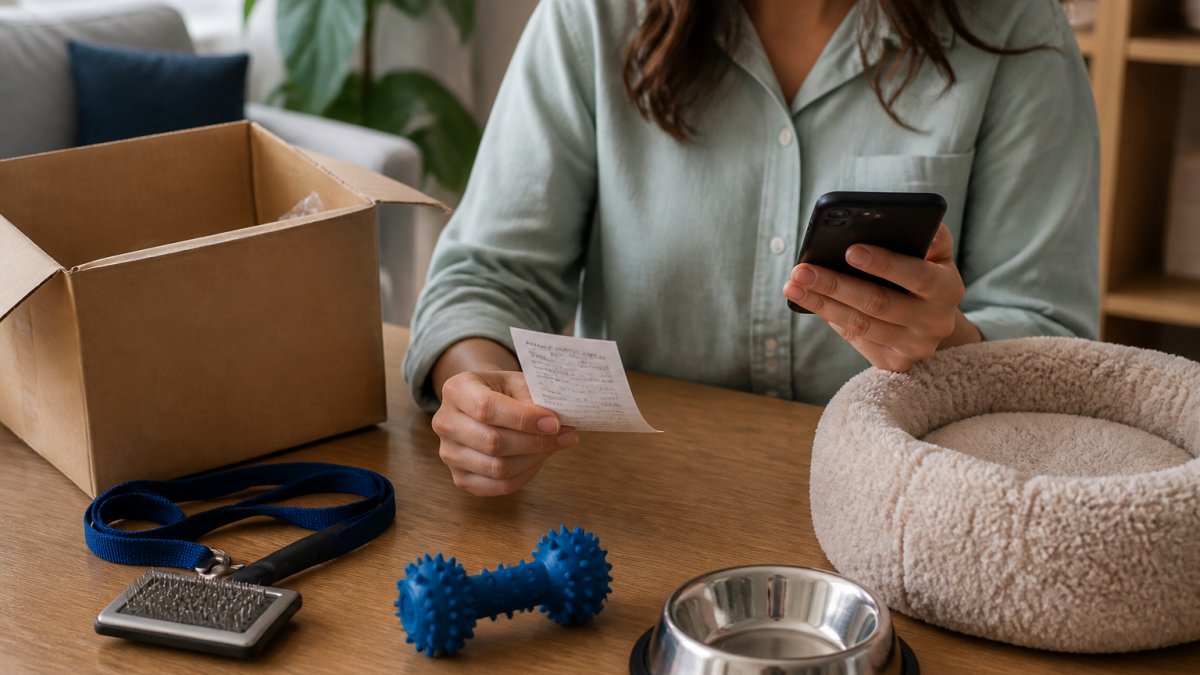
Pre-return checklist:
- Verify the item is within the return window (check purchase date)
- Confirm the item qualifies for return (check retailer's policy)
- Locate your proof of purchase (receipt, order number, or email confirmation)
- Check the product condition (unopened, unused, original packaging when required)
- Take photos of any damage or defects before packing
- Gather your order number and any return authorization number (RMA)
- Prepare original packaging or suitable packaging for shipping
- Get your government-issued photo ID ready (for in-store returns)
- Know your return deadline and plan to submit before it expires
- Identify your return method (in-store, mail-in, or drop-off location)
Packaging tips for mail-in returns:
- Use a box or padded envelope appropriate for the item size
- Include a copy of your receipt or order confirmation inside the package
- Write your RMA number clearly on the outside of the package
- Use a shipping method with tracking
- Keep your shipping receipt and tracking number
- Consider insurance for high-value items
For in-store returns:
- Bring the original item in its packaging
- Bring your proof of purchase and ID
- Ask for a return receipt documenting what you're returning
- Confirm the refund timeline before leaving the store
According to the American Pet Products Association's 2026 State of the Industry Report, pet owners spent $158 billion on pet products in 2025, reflecting the importance of getting the right items the first time. When a product doesn't work out, knowing how to handle the return smoothly matters.
Frequently Asked Questions
Can I return opened pet products?
Most retailers allow returns of opened pet products only if they are defective or unsuitable for your pet. Opened food and treats are typically non-returnable for safety and hygiene reasons, though some stores make exceptions if your pet had an adverse reaction. Check your retailer's specific pet food return policy before purchasing. Always contact customer care with proof of purchase and a description of the issue to explore your options.
What proof of purchase do I need to return a pet product?
A receipt is the standard proof of purchase required for returns. If you've lost your receipt, provide your order number (for online purchases), payment card information, or the name and phone number associated with your account. Some retailers accept government-issued photo identification along with a description of the item and approximate purchase date. Contact customer service to confirm what documentation they accept before attempting an in-store or mail-in return.
How long does a pet product refund take?
Refund processing typically takes 5-10 business days after the retailer receives and inspects your return. For mail-in returns, add 3-7 days for shipping time. Your refund will be issued to your original payment method or as store credit, depending on the retailer's policy. Online purchases may process faster than in-store mail-in returns. Contact customer care with your order number or RMA (return authorization) number to track your refund status.
What is the typical return window for pet supplies?
Most retailers offer a 30-day return window from the purchase date for unopened, sellable pet products. Some offer extended 60-day return windows for select items or loyalty program members. Defective or damaged products may qualify for returns beyond the standard window if reported promptly with proof of purchase. Check your retailer's return policy at the time of purchase, as windows vary. Keep your receipt and purchase date to ensure you return items within the deadline.
Handling pet product returns doesn't have to be stressful. The key is understanding your retailer's specific policy, gathering the right documentation, and acting within the return window. At ShopEasyPets, we're committed to making your shopping experience smooth from purchase through returns. If you need to return an item or have questions about our policy, reach out to our customer care team, we're here to help your pets get exactly what they need.
